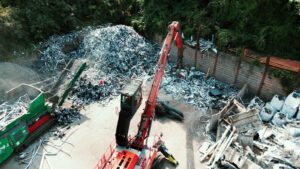

WEEE compliance is one of the most commonly misunderstood responsibilities facing UK businesses today. Waste Electrical and Electronic Equipment is generated across almost every sector, yet many organisations remain unclear about what qualifies as WEEE, who holds legal responsibility, and what risks arise from incorrect disposal.
Unlike general scrap materials, electrical waste is governed by specific regulations that place clear duties on businesses, directors, and waste holders.
As enforcement activity increases and environmental audits become more routine, managing WEEE correctly is no longer optional. This article explains WEEE compliance from a business and governance perspective, clarifies legal responsibilities, and outlines how organisations can reduce risk by working with a specialist recycler such as Countrywide Metals.
The focus here is not on recycling theory, but on compliance, liability, and operational control at a national level.
For many businesses, WEEE is treated as an operational inconvenience rather than a regulated waste category. This creates risk. Electrical equipment often contains hazardous substances, data-bearing components, or materials requiring controlled treatment. UK law places a duty of care on businesses to manage this waste correctly from the moment it is produced until final treatment.
Failure to comply can expose organisations to enforcement action, financial penalties, and reputational damage. Responsibility does not end once equipment leaves site. If WEEE is passed to an unauthorised handler or disposed of incorrectly, the original waste holder can still be held accountable. This makes recycler selection and documentation critical from a compliance standpoint.
From a governance perspective, WEEE management increasingly sits alongside other risk-controlled areas such as data protection, health and safety, and environmental reporting. Treating it as part of a structured compliance framework reduces exposure and supports long-term operational resilience.
WEEE covers far more than office computers and monitors. In commercial and industrial environments, a wide range of items qualify as electrical waste once they are no longer required or functional. Any equipment that relies on mains power, batteries, or electrical circuits falls within scope.
This includes IT hardware, servers, networking equipment, lighting systems, manufacturing control panels, motors, sensors, electronic tools, point-of-sale systems, and specialist devices used in healthcare, retail, or logistics. Items do not need to be broken to qualify. Obsolete, surplus, or replaced equipment still counts as WEEE and must be handled accordingly.
A frequent compliance issue arises when businesses incorrectly categorise electrical items as general scrap metal or mixed waste. Control cabinets, power supplies, and electronic assemblies are commonly overlooked. Misclassification increases risk because these items require authorised treatment rather than standard metal recycling.
WEEE disposal in the UK is governed by the Waste Electrical and Electronic Equipment Regulations. These regulations define how electrical waste must be collected, treated, and documented. Businesses are required to ensure their WEEE is transferred only to authorised treatment facilities and that appropriate records are maintained.
Key obligations include retaining waste transfer documentation, confirming that downstream handlers are licensed, and ensuring hazardous components are managed correctly. In regulated sectors or audited environments, failure to demonstrate compliance can trigger further investigation.
Authoritative guidance on WEEE responsibilities is available from the UK Government:
https://www.gov.uk/guidance/regulations-waste-electrical-and-electronic-equipment
Additional best-practice advice on resource management and recycling standards is published by WRAP:
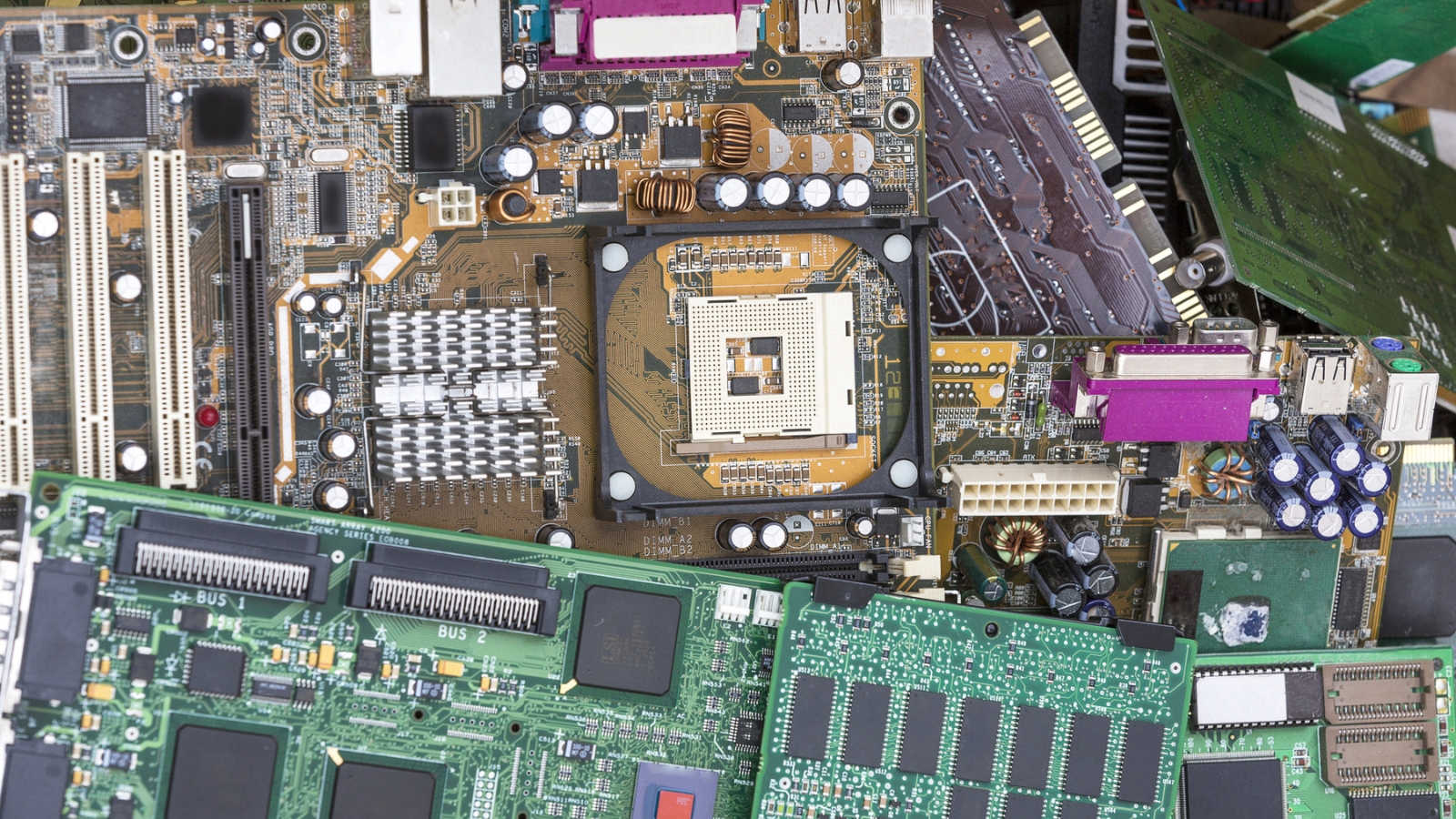
Businesses with ad-hoc disposal practices often struggle to maintain compliance over time. A structured approach to WEEE recycling reduces risk by introducing consistency, documentation, and accountability. This is particularly important for organisations operating across multiple sites or managing regular equipment replacement cycles.
Working with a specialist recycler allows businesses to centralise WEEE handling, apply consistent procedures, and maintain a clear audit trail. Collections can be scheduled to align with operational needs, while documentation supports internal compliance reviews and external audits.
Countrywide Metals provides structured WEEE recycling support designed for commercial and industrial organisations. Service-level information is available on the dedicated WEEE recycling page here:
https://countrywidemetals.com/weee-recycling-birmingham/
For organisations managing additional material streams, wider recycling support is available through national scrap metal services:
https://countrywidemetals.com/scrap-metal-recycling/
One of the most significant risks associated with WEEE relates to data-bearing equipment. Devices such as computers, servers, and industrial controllers may contain sensitive commercial or personal data. Incorrect disposal creates exposure under data protection legislation as well as environmental law.
Secure handling of data-bearing WEEE is essential. Businesses should ensure that storage media is destroyed or sanitised through controlled processes before material enters recycling streams. Clear procedures and confirmation records help demonstrate compliance and reduce the risk of data breaches.
Treating data security as part of WEEE compliance aligns electrical waste management with broader governance and risk frameworks already familiar to most organisations.
For businesses operating regionally or nationally, decentralised waste arrangements often lead to inconsistent standards and increased compliance risk. Centralising WEEE recycling allows organisations to apply uniform controls across all locations, simplifying procurement, reporting, and oversight.
National recyclers support this approach by offering consistent service delivery, standardised documentation, and clear lines of accountability. This structure is particularly valuable for businesses subject to environmental audits, ISO standards, or sustainability reporting obligations.
Countrywide Metals works with organisations nationwide to support compliant WEEE handling alongside other regulated waste streams. Further information about the company’s approach is available here:
https://countrywidemetals.com/about/
Businesses seeking ongoing support can also review commercial recycling arrangements here:
https://countrywidemetals.com/commercial-scrap-metal-collections/
1. Who is legally responsible for WEEE disposal in a business?
The business producing the electrical waste retains responsibility until it is treated correctly by an authorised facility. This duty of care cannot be transferred without appropriate documentation.
2. How long should WEEE disposal records be kept?
Waste transfer documentation should be retained in line with regulatory requirements and internal compliance policies. Many organisations keep records for several years to support audits.
3. Can WEEE be stored on-site before collection?
WEEE can be stored temporarily, provided it is done safely and securely. Storage should prevent damage, leakage, or unauthorised access, particularly for data-bearing equipment.
4. What happens if WEEE is disposed of incorrectly?
Incorrect disposal can lead to enforcement action, financial penalties, and reputational harm. In some cases, directors may be held accountable if governance failures are identified.
5. Is WEEE compliance checked during environmental audits?
Yes. WEEE handling is commonly reviewed during environmental, sustainability, and compliance audits, particularly where electrical equipment is integral to operations.
WEEE is not simply a recycling issue. For UK businesses, it represents a compliance obligation with legal, environmental, and operational implications. Treating electrical waste as part of a structured governance framework reduces risk, supports regulatory confidence, and aligns waste management with wider business responsibilities.
By working with Countrywide Metals, organisations gain access to compliant WEEE recycling support delivered at a national level. Clear processes, appropriate documentation, and specialist handling allow businesses to manage electrical waste responsibly while maintaining control and oversight.
Businesses wishing to discuss WEEE compliance or arrange an assessment can make an enquiry here:



 Call us now