

Tungsten carbide recycling in the UK plays a vital role in supporting modern manufacturing, engineering, and industrial supply chains. As one of the hardest and most durable materials used in tooling and wear-resistant components, tungsten carbide is widely relied upon across sectors such as aerospace, automotive, construction, oil and gas, and precision engineering. When tools reach the end of their working life, recycling tungsten carbide allows businesses to recover financial value while contributing to responsible resource management.
With tungsten classed as a critical raw material and global supply under increasing pressure, recycling has become a strategic necessity rather than a secondary consideration. This guide explains how tungsten carbide recycling works across the UK, what affects scrap values, and how businesses can manage carbide waste efficiently and compliantly through specialist recyclers such as Countrywide Metals.
Tungsten carbide is a composite material formed by combining tungsten and carbon, typically bonded with cobalt. The result is a material that delivers exceptional hardness, resistance to wear, and structural stability under high temperatures and pressure. These characteristics make tungsten carbide indispensable for cutting tools, drilling equipment, and wear parts where precision and durability are essential.
From a recycling perspective, tungsten carbide is highly valuable because tungsten is scarce, expensive to mine, and energy-intensive to process from raw ore. Recycling tungsten carbide reduces reliance on primary extraction while providing manufacturers with a secondary source of high-quality material suitable for reuse in new tooling.
Businesses across the UK generate tungsten carbide scrap as part of routine operations. This often occurs when tools become worn, damaged, or obsolete due to specification changes or production upgrades. Industries that regularly produce carbide scrap include CNC machining, metal fabrication, mining services, civil engineering, and manufacturing.
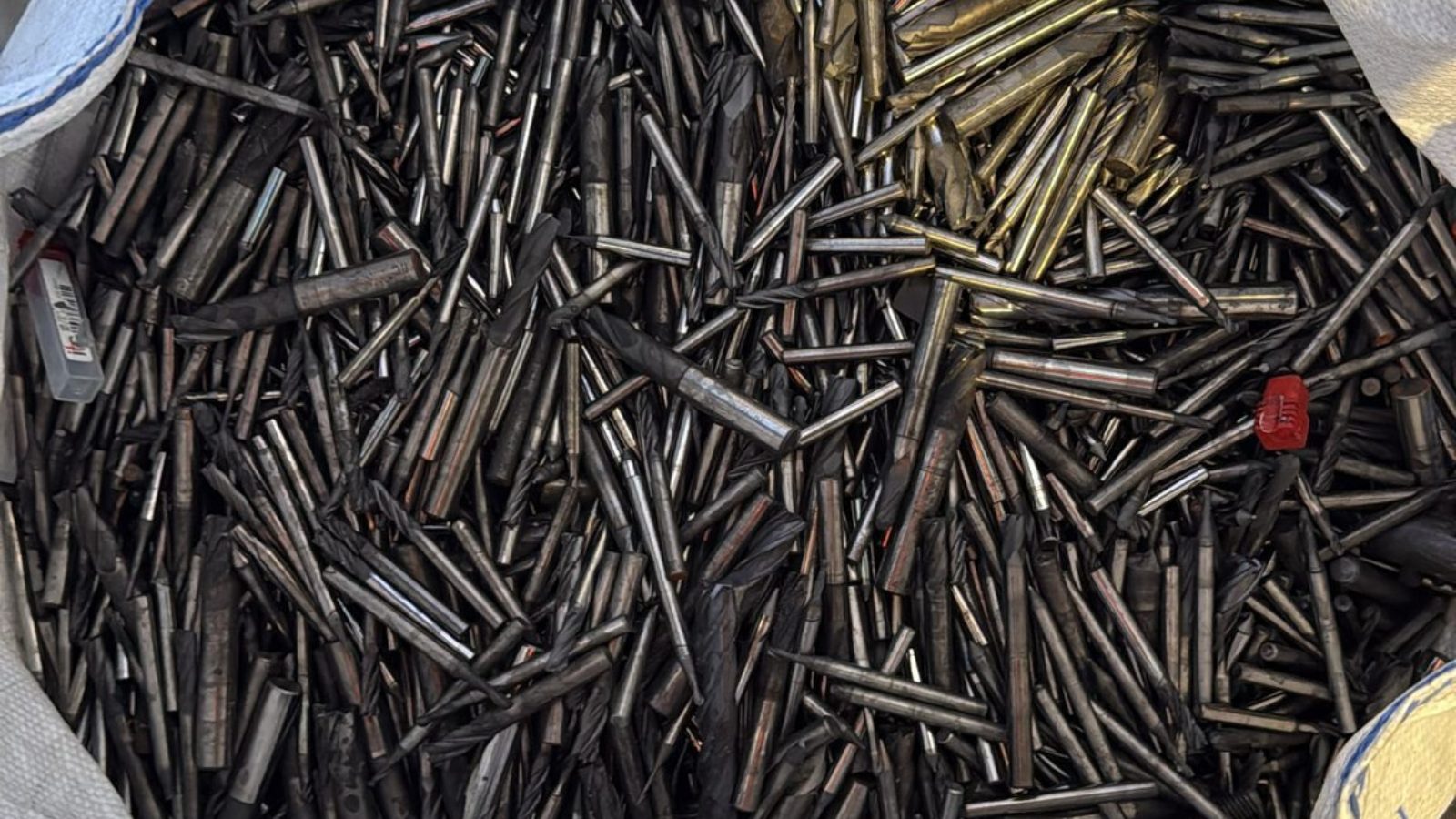
Common forms of recyclable tungsten carbide scrap include cutting inserts, drills, end mills, burrs, saw tips, wear plates, and tooling blanks. Even broken or chipped tools usually retain significant recycling value because the underlying material remains intact.
While cleanliness and separation can influence pricing, cosmetic condition is far less important than composition. Tungsten carbide scrap is valued based on tungsten and cobalt content rather than usability. Mixed tooling containing steel shanks or coatings can still be recycled, although separating non-carbide elements may improve returns in some cases.
Tungsten carbide recycling follows a structured process designed to provide transparency, accurate valuation, and regulatory compliance. For UK businesses, working with a national recycler simplifies logistics and ensures consistent handling regardless of location.
The process typically begins with an initial assessment of the scrap material. Businesses can arrange collection or delivery depending on volume and operational needs. Once received, the material is weighed and graded to determine its composition, including tungsten and cobalt content. This grading stage is essential for establishing fair market value.
After assessment, the scrap enters specialist recycling streams where tungsten is recovered for reuse within manufacturing supply chains. Payments are issued promptly once grading is complete, providing businesses with a reliable way to monetise surplus or end-of-life tooling.
Businesses seeking service-level detail can review the dedicated tungsten carbide recycling page here:
For organisations managing multiple waste streams, broader scrap metal recycling services are available nationwide:
https://countrywidemetals.com/scrap-metal-recycling-in-birmingham/
Tungsten carbide scrap prices in the UK are shaped by a combination of global and domestic factors. International demand for tungsten, particularly from advanced manufacturing and renewable energy sectors, plays a significant role in pricing movements. Cobalt prices also influence carbide values due to its use as a binding agent.
Material purity is another key factor. Scrap that consists predominantly of tungsten carbide with minimal contamination is generally easier to process and therefore more valuable. Consistent supply volumes can further support favourable pricing, especially for businesses producing regular quantities of carbide scrap.
Authoritative insight into material sustainability and recycling practices can be found through organisations such as WRAP, which supports responsible resource use across UK industry:
Information on the strategic importance of tungsten and other critical minerals is available via UK Government publications:
https://www.gov.uk/government/collections/critical-minerals
For many UK businesses, tungsten carbide recycling forms part of a broader approach to waste management and sustainability. Integrating carbide recycling into an overall scrap strategy helps reduce landfill reliance, improve cost control, and support environmental reporting requirements.
National recyclers can support this approach by offering regular collections, clear documentation, and consolidated reporting across different material streams. This is particularly valuable for manufacturers operating multiple sites or managing complex supply chains where consistency and compliance are priorities.
Countrywide Metals works with businesses nationwide to provide structured recycling solutions tailored to industrial operations. By aligning carbide recycling with wider metal recovery services, organisations can simplify administration while maintaining transparency across all recycled materials.
Further information about the company’s operational approach is available here:
https://countrywidemetals.com/about/
Businesses requiring ongoing collections can also explore commercial scrap collection services:
https://www.gov.uk/government/publications/uk-critical-minerals-strategy
1. How much is tungsten carbide scrap worth in the UK?
The value of tungsten carbide scrap varies depending on market demand, cobalt content, and material purity. Prices can fluctuate, so businesses are advised to request a current valuation based on their specific material rather than relying on general estimates.
2. Can mixed or coated carbide tools be recycled?
Yes, most mixed or coated carbide tools can still be recycled. While excessive contamination may affect valuation, experienced recyclers can assess mixed loads and advise on whether separation would improve pricing.
3. Is tungsten carbide recycling available nationwide?
Yes, tungsten carbide recycling services are available across the UK, with collection options tailored to business requirements. This allows companies to recycle carbide scrap efficiently regardless of location.
4. Is tungsten carbide considered hazardous waste?
Tungsten carbide is not typically classed as hazardous waste. However, it should always be handled and recycled through compliant channels to meet environmental and waste management regulations.
5. How quickly are payments made for tungsten carbide scrap?
Payment timescales depend on grading and assessment requirements, but reputable recyclers aim to process payments promptly once material analysis is complete.
Tungsten carbide recycling provides UK businesses with a practical route to recover value from worn or surplus tooling while supporting responsible resource use. As demand for tungsten continues to grow and raw material supply remains constrained, recycling plays an increasingly important role in maintaining resilient manufacturing supply chains.
By working with Countrywide Metals, businesses gain access to transparent pricing, nationwide collection capabilities, and compliant recycling processes designed for industrial operations. Whether managing occasional tooling waste or regular production scrap, professional tungsten carbide recycling supports both commercial efficiency and environmental responsibility.
Businesses looking to discuss tungsten carbide recycling or request an assessment can make an enquiry here:
 Call us now