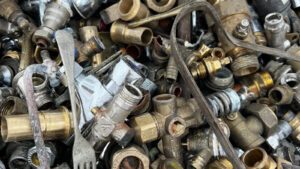

Many plumbing and heating engineers generate valuable scrap metal every week without fully appreciating its potential value. Whether replacing copper pipework during a bathroom renovation, upgrading heating systems, removing old cylinders or carrying out commercial plant room refurbishments, plumbers regularly handle materials that can generate an additional source of income.
For many businesses, scrap copper and brass are simply placed into a van or skip until there is enough material to dispose of. However, with copper prices remaining strong and brass continuing to hold significant recycling value, plumbers across Birmingham, Solihull and the wider West Midlands are increasingly recognising the benefits of establishing a structured recycling process.
Opening a scrap metal trade account can help streamline recycling, reduce waste disposal costs and maximise returns from materials that would otherwise be treated as waste. If you regularly generate copper pipe, brass fittings, cylinders or heating components, our Open Account page provides a simple way to start trading.
In this guide, we explain how plumbers can increase revenue through copper recycling, why brass should never be overlooked and how a trade account can help support business growth.
Plumbing and heating contractors work with valuable metals every day. While individual jobs may only generate modest quantities of scrap, the combined value over a year can be significant.
Copper remains one of the most valuable recyclable metals commonly found within plumbing systems. It is used extensively throughout domestic, commercial and industrial properties because of its durability, corrosion resistance and excellent thermal performance.
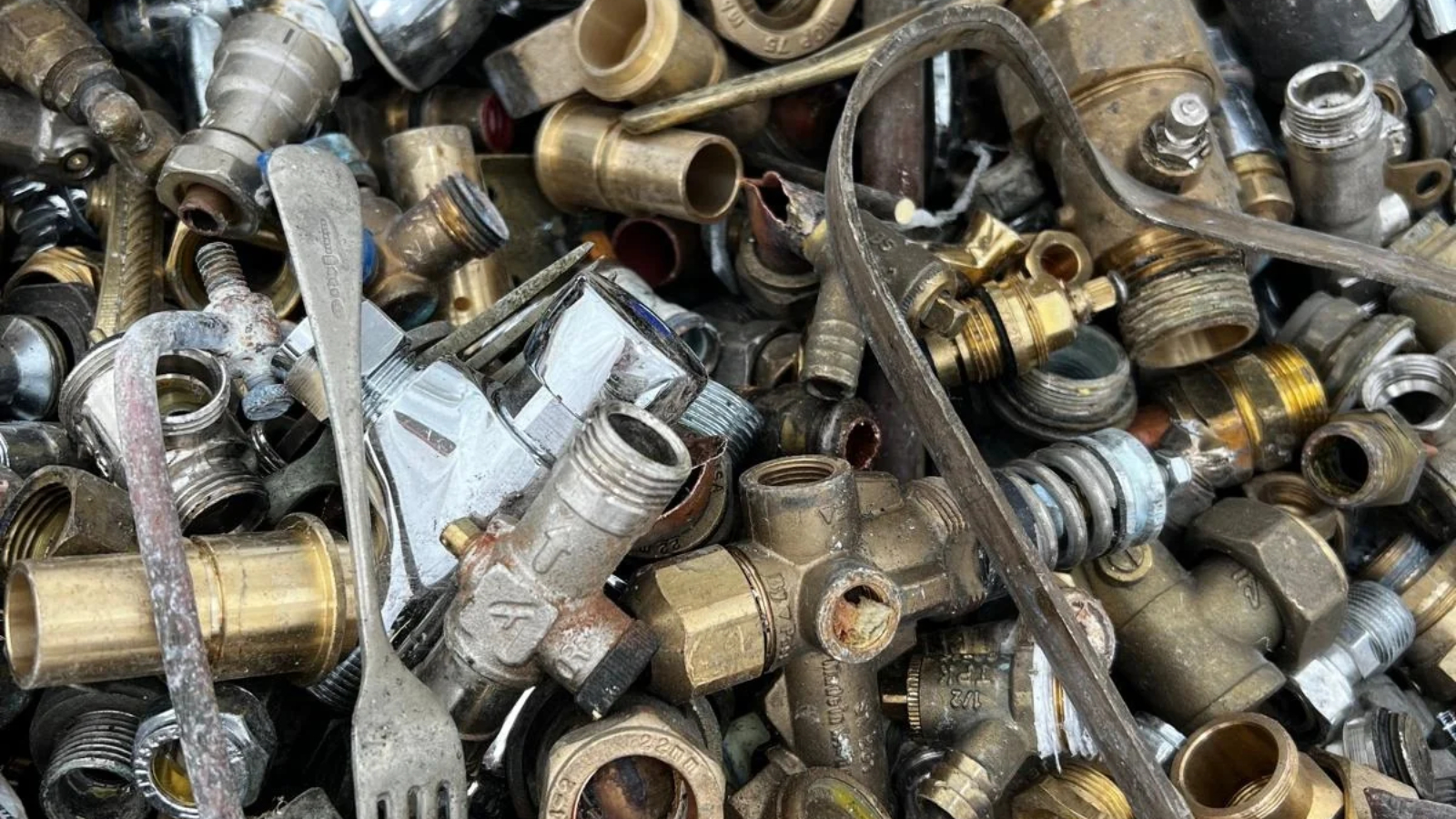
During replacement and upgrade projects, plumbers often remove copper pipework, hot water cylinders, immersion heaters and various heating system components. Brass is equally common and is regularly found within valves, taps, connectors and fittings.
Copper pipe is one of the most common materials removed during plumbing projects.
Whether replacing ageing pipework or upgrading heating systems, contractors often accumulate copper offcuts and redundant pipe. Old copper cylinders can also contain significant quantities of recyclable metal that retain strong value within the recycling market.
Rather than mixing these materials with general waste, separating and storing them correctly can improve recycling returns and create an additional revenue stream for the business.
Many plumbers focus primarily on copper but overlook the value of brass.
Brass fittings, stop taps, gate valves, compression fittings and other plumbing components can generate worthwhile returns when accumulated over time. On larger commercial projects, brass can represent a significant proportion of recyclable material.
By implementing a structured recycling process, businesses can recover value from materials that might otherwise be discarded.
The primary reason plumbers recycle copper and brass is simple: both metals retain substantial value.
Unlike general construction waste, recyclable metals can generate income while simultaneously reducing disposal costs.
Recover Value From Every Project
Many plumbing businesses focus solely on labour and material costs when pricing jobs. However, scrap metal recovered from projects can contribute additional revenue throughout the year.
A contractor completing multiple boiler replacements, bathroom refurbishments or heating upgrades each month may accumulate hundreds of kilograms of recyclable material annually.
Instead of viewing these materials as waste, successful businesses treat them as an asset.
Reduce Waste Management Costs
Waste disposal remains a growing expense for many trades.
By separating copper and brass from mixed waste streams, plumbers can reduce skip usage and lower disposal costs. This creates a dual financial benefit through recycling income and reduced waste management expenditure.
Improve Profit Margins
While scrap metal revenue may not transform a business overnight, it can contribute meaningfully to annual profitability.
Many contractors are surprised when they calculate how much copper and brass they generate over a twelve-month period. A structured recycling process often reveals opportunities that were previously being overlooked.
Many plumbing businesses underestimate the amount of recyclable metal they handle each year.
A sole trader carrying out regular boiler replacements, bathroom refurbishments and heating upgrades may generate several hundred kilograms of copper and brass annually. Larger plumbing and heating companies operating multiple vans can accumulate substantially more.
When these materials are recycled consistently through a dedicated trade account, they can generate thousands of pounds in additional revenue over time.
Rather than viewing copper pipe, brass fittings and old cylinders as waste products, successful businesses view them as part of their overall profitability strategy.
One of the most common mistakes is mixing valuable metals with general construction waste.
When copper, brass and other recyclable materials are thrown into skips with plasterboard, timber and mixed site waste, the opportunity to recover value is significantly reduced.
Another common issue is allowing recyclable materials to accumulate for long periods without a clear recycling process in place.
Businesses that establish a routine for sorting and recycling materials often achieve better financial returns and maintain cleaner, more organised working environments.
Many plumbing businesses understand the value of copper recycling but lack a convenient way to manage it consistently.
A business scrap metal account provides a straightforward solution.
Rather than repeatedly providing documentation and customer information, account holders benefit from a streamlined process whenever they trade scrap metal.
This saves time and reduces administration, particularly for contractors managing multiple projects.
If you are considering opening an account, our guide on Why Open a Scrap Metal Trade Account in Birmingham or Solihull? explains how trade accounts support businesses across a wide range of industries.
Better Organisation and Storage
A trade account often encourages businesses to develop more organised recycling procedures.
Instead of storing mixed waste materials, contractors can separate copper, brass and other recyclable metals from the outset. This improves efficiency while helping maximise recycling returns.
Support for Growing Businesses
As plumbing companies expand, the volume of recyclable materials they generate often increases.
Having an established recycling arrangement in place helps create consistency and allows businesses to recover value from materials across multiple projects.
For businesses interested in how other trades are benefiting from recycling, our article How Trade Accounts Help Electricians Increase Scrap Metal Revenue highlights how electrical contractors are increasing returns from copper cable and electrical components.
Sustainability is becoming increasingly important within the construction and building services sectors.
Many customers now expect tradespeople to demonstrate responsible waste management practices and environmentally conscious working methods.
According to the British Metals Recycling Association (BMRA), recycling metals helps conserve natural resources and significantly reduces energy consumption compared to producing metals from raw materials.
For plumbers, recycling copper and brass supports these wider environmental objectives while also delivering commercial benefits.
Supporting Environmental Goals
Every tonne of copper or brass recycled helps reduce demand for virgin materials.
By recycling responsibly, plumbing businesses contribute to the circular economy while reducing the environmental impact associated with extraction and manufacturing processes.
Enhancing Business Reputation
Customers increasingly appreciate businesses that operate responsibly.
Demonstrating a commitment to recycling can strengthen a company’s reputation and support marketing efforts, particularly when working with environmentally conscious homeowners, commercial clients and public-sector organisations.
Supporting Tender Applications
Many commercial projects now include sustainability criteria within procurement processes.
Businesses that can demonstrate effective waste management and recycling practices may strengthen their position when bidding for work.
The scrap metal industry is governed by legislation designed to improve transparency and reduce criminal activity.
The Scrap Metal Dealers Act 2013 requires licensed scrap metal dealers to verify customer identities and maintain records of transactions.
These requirements help protect legitimate businesses and provide confidence throughout the recycling process.
Working with a licensed recycling company allows plumbing businesses to recycle materials legally while maintaining clear transaction records.
Businesses also have a duty to manage waste responsibly. The Environment Agency’s waste management guidance provides further information regarding commercial waste responsibilities.
Businesses throughout the West Midlands require a recycling partner that provides transparent service, competitive pricing and reliable support.
Whether you operate as a sole trader or manage a growing plumbing and heating company, Countrywide Metals provides professional recycling services designed to support commercial customers.
By combining straightforward account management with efficient recycling solutions, we help businesses recover value from materials that would otherwise be discarded.
Yes. Plumbers can generate additional revenue by recycling copper pipe, brass fittings, cylinders and heating components through a licensed scrap metal dealer. Opening a scrap metal trade account creates a faster and more organised recycling process while helping maximise the value of recyclable materials.
Q: Is copper pipe worth recycling?
Yes. Copper pipe remains one of the most valuable recyclable metals commonly generated by plumbing businesses and can provide a useful additional source of revenue.
Q: Can plumbers recycle brass fittings?
Yes. Brass fittings, valves, taps and connectors are all recyclable and often retain significant value.
Q: What is a scrap metal trade account?
A scrap metal trade account allows businesses to recycle materials through a licensed recycling facility while benefiting from faster transactions and simplified administration.
Q: How do I open a business scrap metal account?
Businesses can apply online through our Open Account page.
Q: Why do scrap metal dealers require identification?
Licensed scrap metal dealers are legally required to verify customer identities under UK legislation.
Q: Can sole trader plumbers open a trade account?
Yes. Sole traders, partnerships and limited companies can all apply for a business scrap metal account.
Plumbing businesses generate valuable recyclable materials every day, yet many contractors still underestimate the financial opportunity these materials present.
By recycling copper pipework, brass fittings, cylinders and heating components through a licensed recycling facility, plumbers can recover additional value from projects while reducing waste disposal costs and supporting environmental objectives.
Opening a scrap metal trade account in Birmingham or Solihull provides a simple and efficient way to manage recycling activities while improving organisation and profitability.
Whether you operate as a sole trader or manage a growing plumbing and heating company, a structured recycling process can help your business make better use of the materials it already generates.
Ready to get started? Visit our Open Account page today or Contact Us to discuss your recycling requirements.



 Call us now